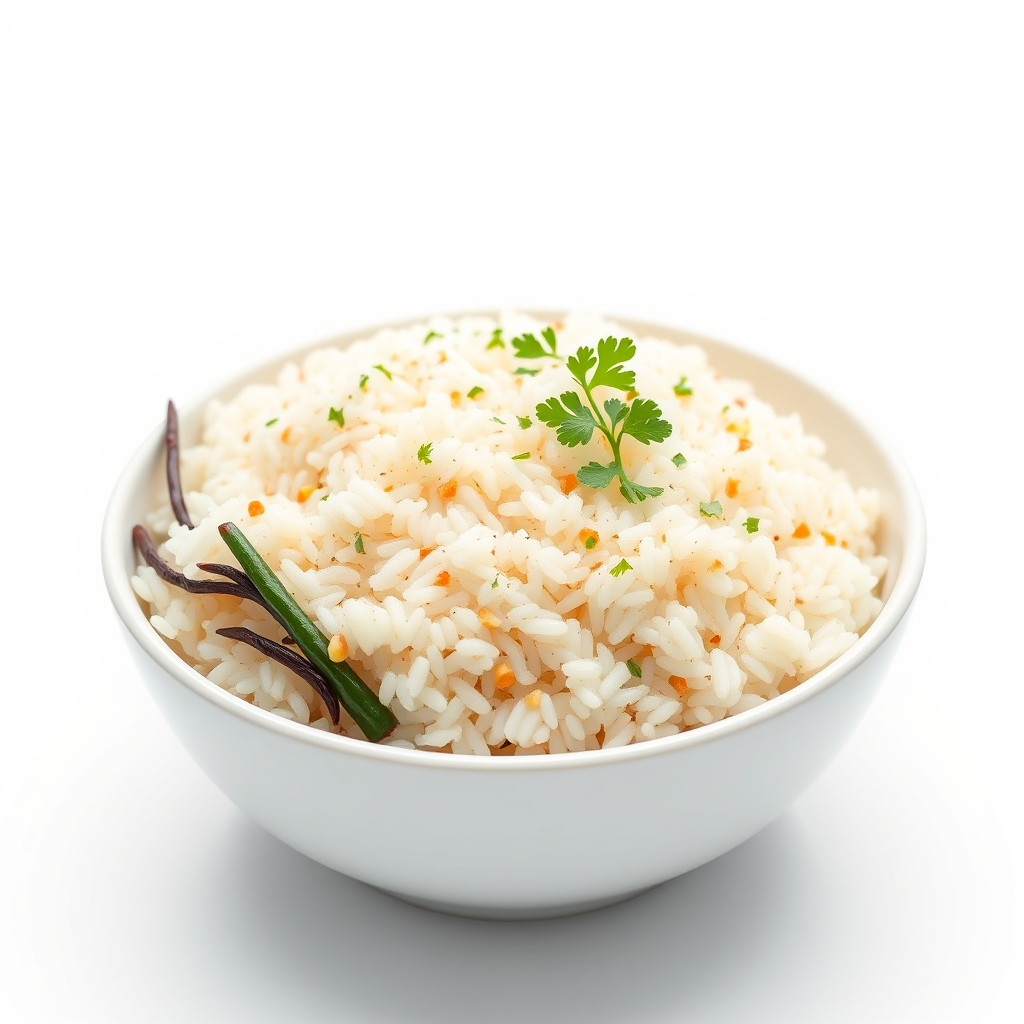
For years, one of the biggest challenges for those adopting a ketogenic lifestyle has been finding a satisfying substitute for staples like rice. Traditional rice is a high-carb powerhouse, capable of knocking you out of ketosis with a single serving. But in 2025, the game has changed. Enter shirataki rice, the translucent, gelatinous grain that has taken the keto world by storm. If you've been searching for a zero-carb, zero-calorie way to enjoy your favorite rice-based dishes, you've found your answer. This comprehensive guide will break down everything you need to know about this 'miracle' rice, from its scientific origins to perfecting its preparation.
What Exactly Is Shirataki Rice? The "Miracle" Explained
Shirataki rice, often sold under names like "miracle rice" or "konjac rice," isn't a grain at all. It's a unique food product derived from the root of the konjac plant, which is native to East Asia. The name "shirataki" is Japanese for "white waterfall," a fitting description for its translucent appearance.
The Konjac Plant: A Source of Zero-Calorie Fiber
The magic of shirataki rice lies in its primary component: glucomannan. This is a type of soluble, viscous dietary fiber extracted from the konjac root (Amorphophallus konjac). The human body cannot digest glucomannan, which means it passes through your system largely intact. Because of this, it contributes virtually no calories or net carbs, making it an absolute superstar for the ketogenic diet.
How It's Made: From Root to Rice
The manufacturing process is simple. The glucomannan fiber is extracted from the konjac root, mixed with water and a small amount of limewater (calcium hydroxide) to help it hold its shape, and then formed into small, rice-like pearls. The final product is packaged in water to keep it fresh and stable on the shelf.
The Unbeatable Nutrition Profile of Shirataki Rice
The nutritional label for shirataki rice is what makes keto dieters rejoice. It's almost entirely composed of water and fiber, resulting in a profile that seems too good to be true.
Macronutrients: Virtually Zero Carbs, Zero Calories
A typical 100-gram (about 3.5 ounces) serving of shirataki rice contains:
This remarkable profile allows you to add bulk and texture to meals without impacting your daily carb limit or calorie count. It's the perfect vehicle for flavorful keto sauces, curries, and stir-fries.
The Power of Glucomannan Fiber
Glucomannan is not just an inert filler. This powerful soluble fiber can absorb up to 50 times its weight in water, which is why shirataki products are so filling. When you consume it, it forms a gel-like substance in your digestive tract, promoting a feeling of fullness and slowing down digestion. This unique property is linked to several significant health benefits.
Micronutrients: What to Expect (and What Not To)
It's important to be realistic. Shirataki rice is not a source of vitamins or minerals. It's a dietary tool for texture, bulk, and satiety. You must ensure you're getting your essential micronutrients from other whole foods in your keto diet, such as leafy greens, low-carb vegetables, and quality protein sources.
Proven Health Benefits Backed by Science
The benefits of shirataki rice extend beyond its keto-friendly macronutrient profile. The glucomannan fiber it contains has been the subject of numerous scientific studies.
Weight Management and Satiety
The most celebrated benefit is its effect on weight loss. By promoting feelings of fullness (satiety), glucomannan helps you naturally reduce your overall calorie intake. Research has shown that supplementing with glucomannan can lead to significant weight loss in overweight individuals. It works by delaying stomach emptying, which keeps you feeling full for longer, and reducing the secretion of the hunger hormone ghrelin.
Blood Sugar Control and Diabetes Management
Because it's a viscous fiber, glucomannan slows down the absorption of sugar and carbohydrates from the digestive tract. This helps prevent sharp spikes in blood sugar after meals, making shirataki rice an excellent food for individuals with insulin resistance or type 2 diabetes. Several studies have demonstrated its ability to lower fasting blood sugar levels and improve glycemic control.
Improving Cholesterol Levels
Scientific reviews have found that glucomannan can have a positive impact on heart health by improving cholesterol profiles. It appears to work by reducing the absorption of cholesterol in the gut and increasing its excretion. It has been shown to lower total cholesterol, LDL ("bad") cholesterol, and triglycerides without negatively affecting HDL ("good") cholesterol.
Digestive Health and the Gut Microbiome
Glucomannan acts as a prebiotic, which means it feeds the beneficial bacteria in your gut. A healthy gut microbiome is crucial for overall health, influencing everything from digestion and immunity to mood. By nourishing these good bacteria, shirataki rice can help improve digestive regularity and overall gut function.
Your Ultimate 2025 Guide to Cooking Shirataki Rice Perfectly
The single biggest complaint about shirataki rice is its initial fishy odor and rubbery texture. Don't worry—this is easily fixed! Follow these steps, and you'll have a perfect, neutral base for any dish.
Step 1: Banish the Odor (The Most Important Step!)
When you open a package of shirataki rice, you'll notice a distinct, slightly fishy smell. This is from the water it's packed in. The first step is crucial: pour the rice into a fine-mesh sieve and rinse it thoroughly under cold running water for at least 2-3 minutes. This will wash away the residual odor completely.
Step 2: Dry Roasting for the Perfect Texture
After rinsing, shake off as much excess water as possible. Then, transfer the rice to a dry, non-stick skillet or wok over medium-high heat. Do not add oil. Pan-fry the rice, stirring frequently, for about 5-8 minutes. You'll hear it start to squeak and pop. This process removes the excess moisture and dramatically improves the texture, taking it from rubbery to a much more rice-like consistency.
Step 3: Incorporating It Into Your Favorite Keto Dishes
Once your shirataki rice is rinsed and dry-roasted, it's a blank canvas ready to absorb the flavors of your dish. Here are a few ideas:
Some individuals pursuing aggressive keto goals look into every possible advantage. While diet is paramount, the world of supplements is vast. If you find yourself exploring this area, understanding the landscape, including theketo pills cost in 2025, is a smart move before making any commitment.
Potential Side Effects and How to Avoid Them
While generally safe, the high fiber content of shirataki rice can cause issues for some people, especially when introduced too quickly.
Digestive Discomfort: Bloating and Gas
The most common side effect is digestive upset, such as bloating, gas, or diarrhea. This usually occurs when someone consumes a large amount without being accustomed to a high-fiber intake. To avoid this, start with a small serving and drink plenty of water. Gradually increase your portion size as your digestive system adapts.
Nutrient Absorption Concerns
Because glucomannan forms a gel and slows digestion, there's a theoretical risk it could reduce the absorption of some medications or fat-soluble vitamins. It's recommended to take medications at least one hour before or four hours after consuming a significant amount of shirataki products.
Shirataki Rice vs. Other Keto Rice Alternatives in 2025
How does shirataki rice stack up against other popular low-carb options?
Cauliflower Rice
Pros: Contains vitamins and minerals, easy to make at home. Cons: Higher carb count (around 3g net carbs per cup), has a distinct cauliflower taste, can get mushy if overcooked. Verdict: Great, but shirataki is the winner for lowest carbs and a more neutral flavor profile.
Broccoli Rice
Pros: Packed with nutrients, similar texture to cauliflower rice. Cons: Higher carb count, strong broccoli flavor that doesn't work in all dishes. Verdict: A healthy option, but less versatile than shirataki.
Hemp Hearts
Pros: Excellent source of protein and healthy fats, nutty flavor. Cons: Much higher in calories, more expensive, texture is more like couscous than rice. Verdict: Great for adding nutrition, but not a true low-calorie rice replacement like shirataki.
Building a successful and sustainable keto lifestyle involves making smart choices with both your food and your budget. While shirataki rice can be more expensive than cauliflower, it provides unique benefits. Similarly, when people consider other aids for their journey, it's wise to research topics likehow much keto pills costto get a complete picture of potential expenses.
Is Shirataki Rice Worth the Investment for Your Keto Journey?
For many, the answer is a resounding yes. Shirataki rice fills a psychological and culinary gap that other substitutes can't quite match. It allows you to recreate comforting, rice-centric meals that might otherwise be off-limits, which can be a key factor in long-term adherence to the ketogenic diet. The cost of specialty keto foods can add up, but the versatility and zero-carb nature of shirataki rice make it a worthwhile pantry staple. It's important to weigh these costs against your overall wellness budget. For some, this budget might include supplements, and understanding the currentketo diet pills priceis part of a well-rounded financial approach to health.
Frequently Asked Questions (FAQ)
Does shirataki rice taste like real rice?
No, shirataki rice does not taste like regular rice. On its own, it has a very neutral, almost nonexistent flavor and a slightly chewy, gelatinous texture. Its main advantage is its ability to absorb the flavors of the sauces and ingredients it's cooked with.
Where can I buy shirataki rice in 2025?
You can find shirataki rice in most major supermarkets, typically in the refrigerated section near tofu and other plant-based products. It is also widely available online and in health food stores. Look for brands that sell it in a 'rice' shape.
Can you eat shirataki rice every day?
Yes, you can eat shirataki rice daily, provided you tolerate it well. To avoid potential digestive discomfort, start with smaller portions, ensure you drink plenty of water throughout the day, and maintain a balanced diet rich in other nutrient-dense keto foods.
Is shirataki rice the same as shirataki noodles?
They are made from the exact same ingredients: glucomannan fiber, water, and limewater. The only difference between shirataki rice and shirataki noodles is the shape. One is formed into small, rice-like pearls, and the other is shaped into long strands like spaghetti or fettuccine.
Does shirataki rice need to be cooked?
Shirataki rice is pre-cooked and can technically be eaten straight from the package after rinsing. However, for the best texture and to eliminate any residual odor, it is highly recommended to follow the preparation steps of rinsing thoroughly and then dry-roasting in a pan before use.
Conclusion: Embrace the Miracle in Your Keto Kitchen
In the evolving landscape of ketogenic eating in 2025, shirataki rice has firmly established itself as an indispensable tool. It's more than just a substitute; it's a culinary gateway that allows for greater variety, satisfaction, and sustainability on your low-carb journey. By mastering the simple preparation techniques, you can unlock a world of delicious keto possibilities, from comforting fried rice to exotic curries. If you haven't yet, it's time to give this zero-carb, zero-calorie marvel a try. Your taste buds—and your macros—will thank you.